
Pitchline Engineering
Precision Grinding in South Africa
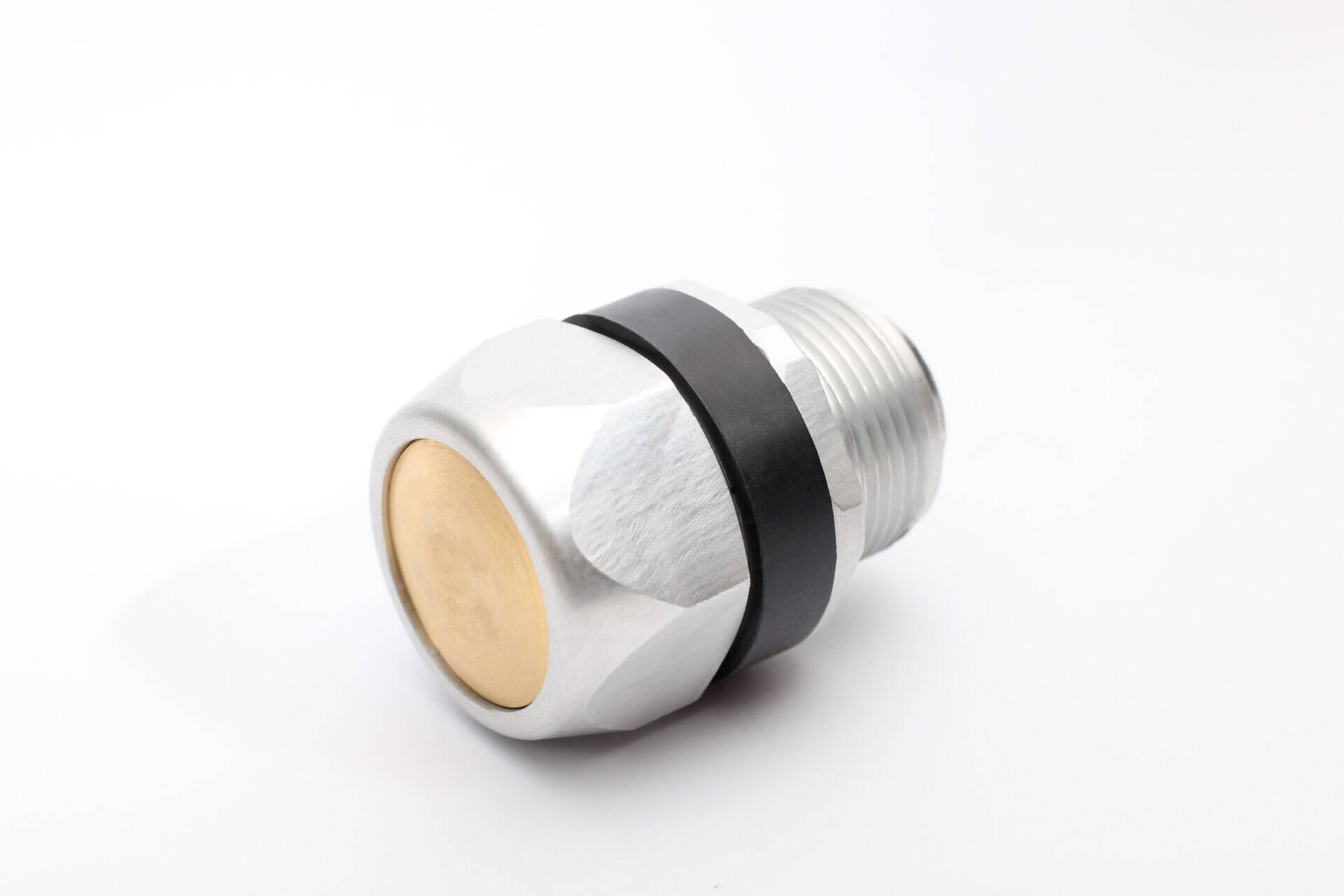
Grinding removes material with an abrasive wheel, which is how close tolerances and accurate, smooth surfaces are achieved — particularly on hardened components. Pitchline grinds its own turned and milled parts, and accepts customer components for grinding only.
Ground diameters matter wherever a shaft runs in a bearing or seal. That includes many of the pistons and spindles inside air brake valves, which is why grinding has been part of the ManuMark production chain from the start.
Typical work
- Shaft and spindle diameters running in bearings or seals
- Flat and parallel faces on plates, blocks and die components
- Pins, dowels and plain round bar in quantity
- Hardened components finished after heat treatment
- Mould and tooling faces
Precision Grinding questions
What size can Pitchline surface grind?
Up to 1200mm x 600mm across three surface grinders — two semi-automatic and one fully automatic.
What are the cylindrical grinding limits?
Ø 200mm by 300mm long on two semi-automatic cylindrical grinders.
When is centreless grinding used?
For plain round bar and pins in quantity. The centreless grinder takes Ø 6mm to Ø 60mm, up to 200mm long.
Can Pitchline grind parts it did not machine?
Yes. Send in your own components for grinding, or have them turned or milled and then ground in one place.
Can hardened material be ground?
Grinding is normally how parts are finished after heat treatment. Include the material and hardness with your enquiry.